7 Common Mistakes to Avoid When Building Your Tiny Home
Building a tiny house is a romantic idea. You imagine a simpler life, less debt, and more freedom. However, the process of building it is very real and often difficult.
Unlike a normal house, a tiny house has special rules. If you make a mistake with the weight, you cannot move it. If you make a mistake with the laws, you cannot park it.
Many first-time builders make the same errors. These errors cost them thousands of dollars and months of wasted time.
We want you to succeed. Here are the 7 most common mistakes to avoid when building your tiny home, so you can build it right the first time.
1. Buying the Trailer Last (Or Buying the Wrong One)
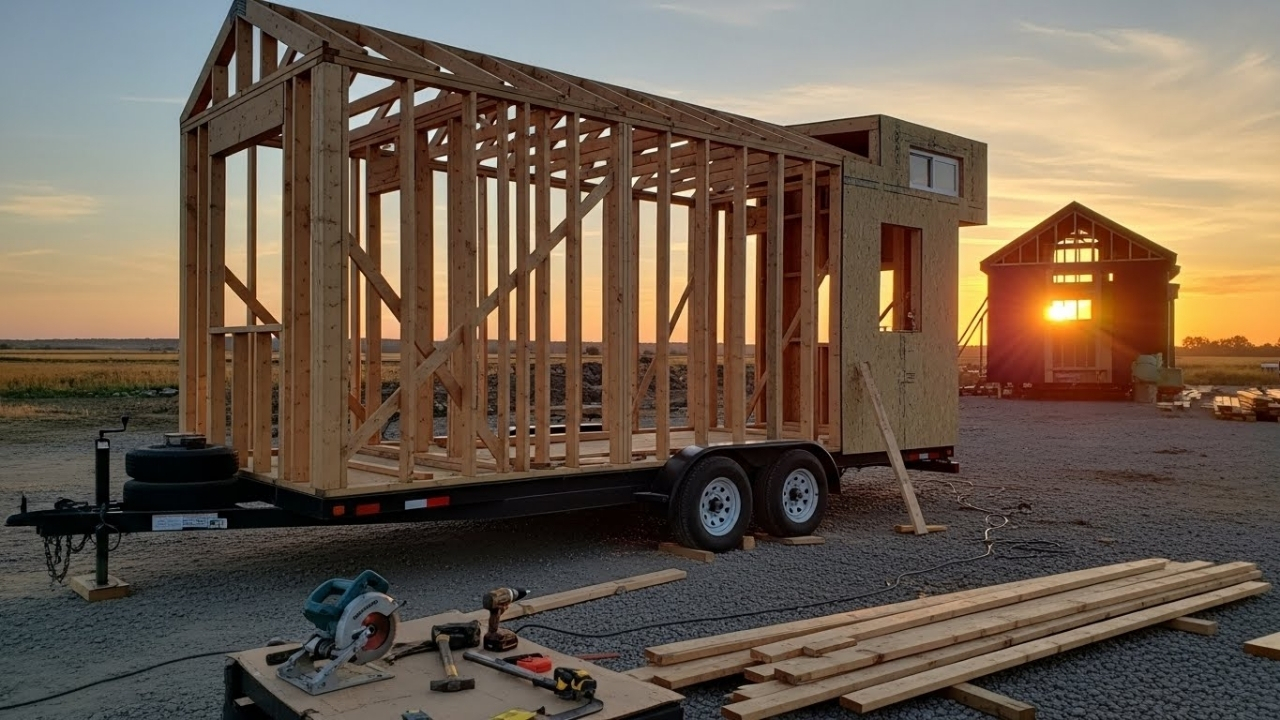
The trailer is not just a vehicle; it is your foundation. Many people design their dream house first, buy windows and lumber, and then look for a trailer. This is backward.
The Fix:
-
Buy the trailer first. Your house design must fit the trailer, not the other way around.
-
Do not buy a used, rusty camper trailer. They are not strong enough for a wooden house. Buy a “Tiny House Specific” trailer with heavy-duty axles.
2. Ignoring Zoning Laws and Parking
This is the number one reason why tiny house dreams fail. You can build a beautiful house, but if you have nowhere to legally park it, it is useless. Many cities do not allow people to live in tiny houses on wheels full-time.
The Fix:
-
Before you hammer a single nail, find your land.
-
Talk to the local town hall. Ask about “Accessory Dwelling Units” (ADUs) or RV park rules. Don’t assume you can just park in your friend’s backyard.
3. Using Heavy Materials
In a normal house, weight does not matter. In a tiny house on wheels, weight is everything. If your house is too heavy, your axles might break. You might need a massive truck to tow it. Materials like granite countertops, heavy tiles, and thick drywall add up quickly.
The Fix:
-
Choose lightweight materials. Use pine wood instead of oak. Use vinyl flooring instead of ceramic tile.
-
Calculate the weight of every item before you buy it.
4. Forgetting About Ventilation (Mold is the Enemy)
Tiny houses are small boxes. When you cook, shower, or even breathe, you create moisture. If that moisture cannot escape, it turns into mold. Mold ruins walls, smells bad, and is dangerous for your health.
The Fix:
-
Install a high-quality exhaust fan in the bathroom and kitchen.
-
Use a dehumidifier.
-
Make sure your walls can “breathe” by using proper house wrap and insulation techniques.
5. Designing a Bad Floor Plan
It looks great on paper, but how does it feel in real life? A common mistake is placing the bathroom right next to the kitchen with no separation. Another mistake is forgetting where to put the trash can or the laundry basket.
The Fix:
-
“Tape it out.” Go to a big parking lot or an empty room. Use tape to mark the size of your tiny house on the floor. Walk around inside the tape.
-
Pretend to cook. Pretend to shower. You will quickly see if the space is too small.
6. Underestimating the Budget
“I can build a tiny house for $10,000!” We hear this often. While it is possible, it is very rare. Most DIY builds cost between $25,000 and $60,000. Professional builds cost even more. Small things like screws, glue, paint, and gas for trips to the hardware store add up to thousands of dollars.
The Fix:
-
Make a detailed budget list.
-
Then, add 20% extra for “unexpected costs.” You will definitely use it.
7. Thinking You Can Do It All Alone
Building a house requires many skills: carpentry, plumbing, electrical work, and roofing. Unless you are a professional contractor, you probably don’t know how to do all of these safely. Bad electrical wiring can cause a fire. Bad plumbing can cause a flood.
The Fix:
-
Do the carpentry and painting yourself to save money.
-
Hire a professional electrician and a plumber for the dangerous parts. It is worth the money for your safety.
Conclusion
Building a tiny home is a marathon, not a sprint. It takes patience, planning, and humility.
It is okay to make small mistakes, but avoiding these big 7 mistakes will save your project. Do your research, plan your budget, and don’t be afraid to ask for help.
When you are finally sitting in your cozy, finished home, you will know that all the hard work was worth it.
