
Tiny House Insurance: How to Protect Your Investment
Building or buying a tiny house is a big dream come true. You have spent your savings, your time, and your energy to create a perfect little home. But have you thought about how to keep it safe?
Many people forget about one very important thing: Tiny House Insurance.
Imagine if a storm damages your roof, or if a fire starts in the kitchen. Without insurance, you could lose everything. Insurance gives you peace of mind. It protects your money and your hard work.
However, insuring a tiny house is not like insuring a normal house. It can be a little confusing. Is it a house? Is it a vehicle? In this guide, we will explain everything you need to know about tiny house insurance in simple words.
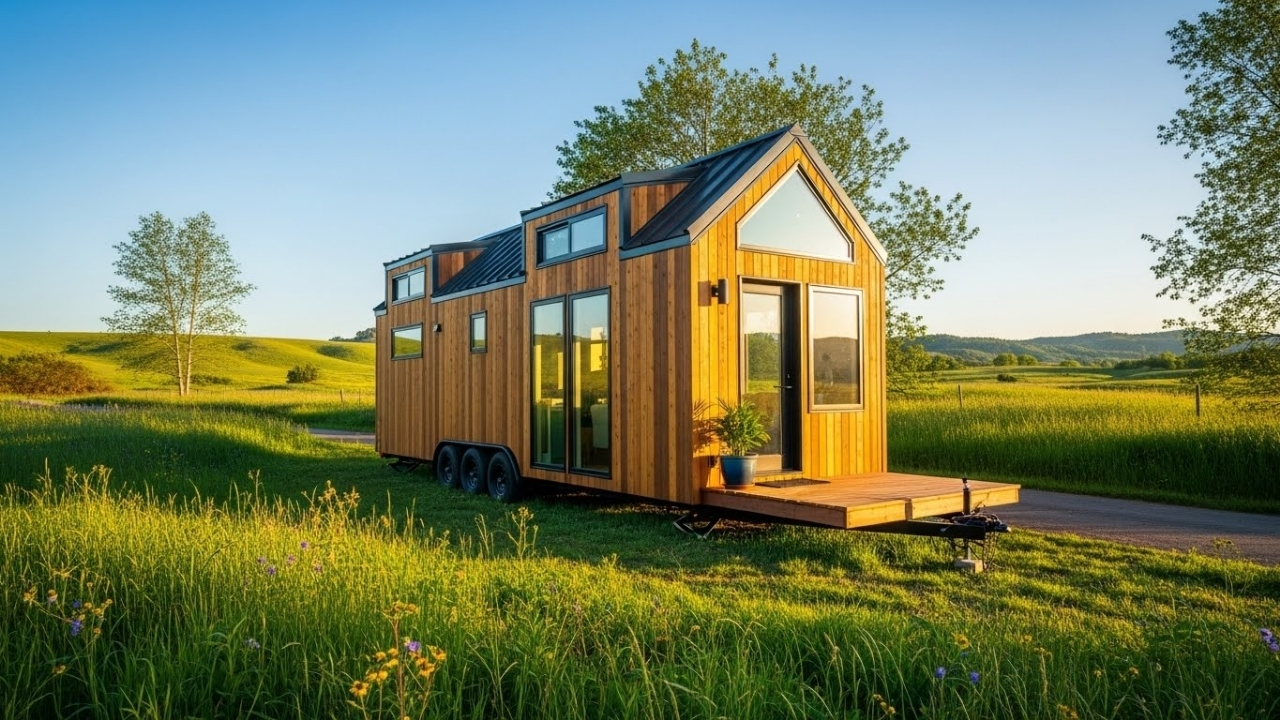
Why Is Tiny House Insurance Different?
Standard home insurance is designed for houses that sit on a permanent foundation. Standard car insurance is designed for metal cars that move on the highway.
A tiny house often falls in the middle.
-
It has wheels like a car.
-
But you live in it like a house.
Because of this mix, big insurance companies often say “no” because they do not understand the risk. But do not worry. There are specific ways to get coverage.
Types of Insurance for Tiny Homes
Depending on how you built your home and where it is located, you will need a different type of policy. Here are the three main options:
1. RV Insurance (Recreational Vehicle Insurance)
If your tiny house is on wheels (THOW) and certified by the RVIA (Recreational Vehicle Industry Association), this is usually the easiest option.
-
Best for: People who travel often with their tiny house.
-
What it covers: Accidents on the road, theft, and liability while parked at a campsite.
-
The Catch: Your house must be built to strict RV standards. If you built it yourself (DIY) without certification, you might not qualify.
2. Mobile Home Insurance
If your tiny house is parked in one place and sits on a semi-permanent foundation (or you took the wheels off), you might get mobile home insurance.
-
Best for: Tiny houses that do not move.
-
What it covers: The structure of the house and your personal belongings inside.
-
The Catch: You usually need to live in a legal park or on private land where you have permission.
3. Specialized Tiny House Insurance
This is the best option for most people. Some insurance companies now offer policies made specifically for tiny homes.
-
Best for: DIY builds, custom homes, and full-time living.
-
What it covers: They understand that you live there full-time (unlike some RV policies that only cover vacations).
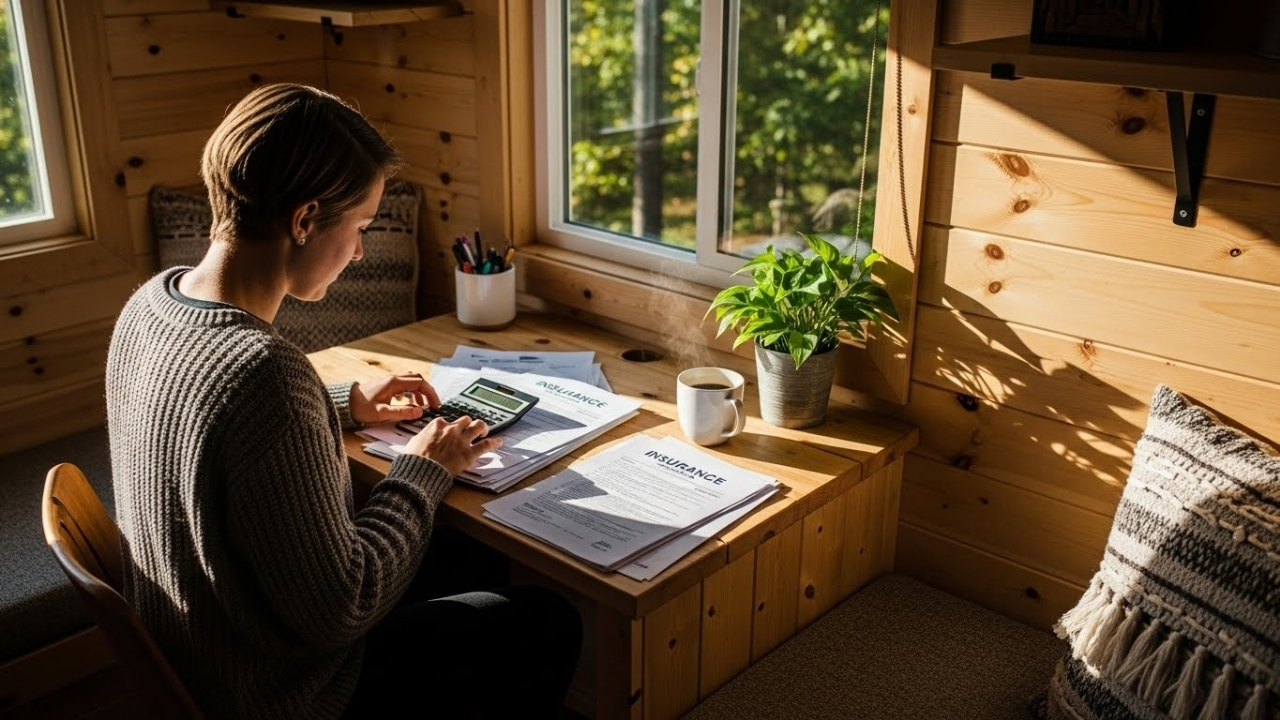
The Importance of Certification (NOAH and RVIA)
This is the most critical part of this article. If you want insurance, you need proof that your house is safe.
Insurance companies are afraid of bad electrical wiring or poor plumbing. They want to know a professional inspected the house.
-
RVIA (Recreational Vehicle Industry Association): This is usually for houses built by professional manufacturers.
-
NOAH (National Organization of Alternative Housing): This is great for DIY builders. NOAH can inspect your house remotely (via video calls) while you are building it.
Pro Tip: If you are building your own tiny house right now, take photos of everything. Take photos of the wires inside the walls before you cover them. Keep receipts for all materials. These will help you prove the value of your home later.
What Does Tiny House Insurance Actually Cover?
A good insurance policy protects you from three main dangers:
-
Physical Damage: If a tree falls on your house, if there is a fire, or if hail damages the siding, the insurance pays for repairs.
-
Theft: Tiny houses on wheels are easier to steal than regular houses. Insurance pays you if someone steals your home or the things inside it (like your laptop or TV).
-
Liability: This is a legal word. It means “responsibility.” If a guest visits your tiny house, trips on the stairs, and breaks their leg, they might sue you. Liability insurance pays for their medical bills so you don’t have to.
Towing Coverage: Don’t Forget the Road!
If you plan to move your tiny house, you are most vulnerable when you are on the road.
-
What if a tire blows out?
-
What if you hit a bridge?
-
What if the house tips over?
Regular RV insurance covers this. But if you have a stationary policy, you must buy a “Trip Endorsement” (a temporary insurance for the trip) before you move the house. Never move your house without telling your insurer.
How to Lower Your Insurance Cost
Tiny house insurance can cost anywhere from $500 to $1,500 per year. The price depends on the value of your house and where you live. Here are simple ways to make it cheaper:
-
Install Safety Devices: Put in a smoke detector, a carbon monoxide detector, and a fire extinguisher. Some companies give a discount for GPS trackers (in case of theft).
-
Raise Your Deductible: The deductible is the money you pay before the insurance pays. If you agree to pay the first $1,000 instead of $500, your monthly bill will be lower.
-
Pay Annually: If you pay for the whole year at once, it is usually cheaper than paying every month.
Conclusion: Is It Worth It?
You might think, “My tiny house was cheap to build, do I really need insurance?”
The answer is yes. Your tiny house is your home. It contains your clothes, your memories, and your life. The cost of insurance is a small price to pay for safety.
Don’t wait until an accident happens. Start looking for an insurance agent who understands “Tiny Living” today. Protect your freedom and your investment.
